Less manual work.
More business.
We follow how work actually moves through your company, remove the steps that only exist because systems don't talk, and automate the rest.
Fix the process before the software.
Software speeds up whatever you already do, including the broken parts. So before we touch a tool, we follow one piece of work from start to finish: how an order arrives, who touches it, where it waits and where it gets lost.
Often the fix isn't software at all. It's a step nobody owns, or an approval that sits in one inbox.
Start with the process you complain about
One process, not the whole company. Choosing it is easy: it's the one that comes up in every Monday meeting.
We follow it alongside the staff who handle it, mark what can go, give each remaining step one owner, and leave a one-page map behind.
Book a process reviewWhere the hours usually hide
- 01
Order-to-cash
Quote, order, invoice, payment. We count the hand-offs and the places the same thing is typed twice, then take out as many as we can.
- 02
Customer service
One place where requests land, a named owner for each, and the customer's history beside it. Not a shared inbox and good intentions.
- 03
Approvals
Plenty of approvals exist because something went wrong once, years ago. We keep the ones that still earn their delay and give them a reminder.
- 04
Weekly reporting
The numbers you look at every Monday, built from the systems themselves. If a report needs a person to assemble it, the process isn't finished.
- 05
Documentation
One page per process, drafted with the team that runs it. Any longer and nobody opens it.
- 06
Automation, last
HubSpot workflows, Power Automate or a few lines of our own code, whichever fits the job. We automate after the process is fixed, not before.
After go-live
A process keeps moving after we leave. Two ways to keep it in shape.
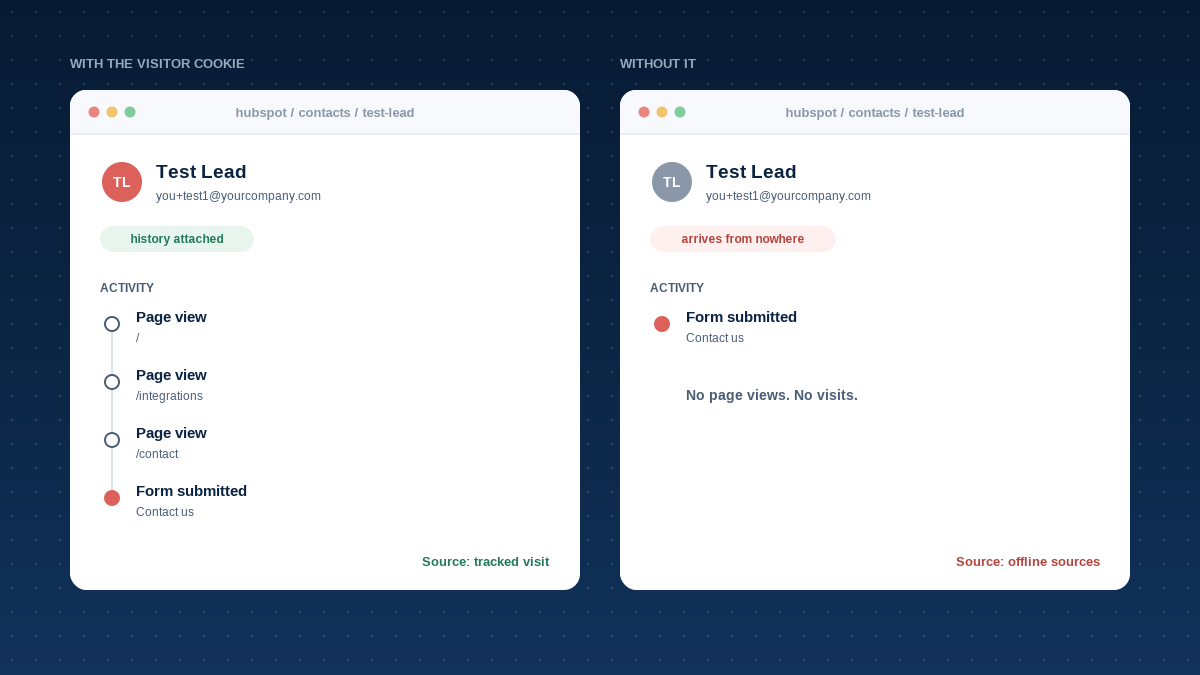
Around the process
Fixing how work moves usually exposes the tools it moves through.
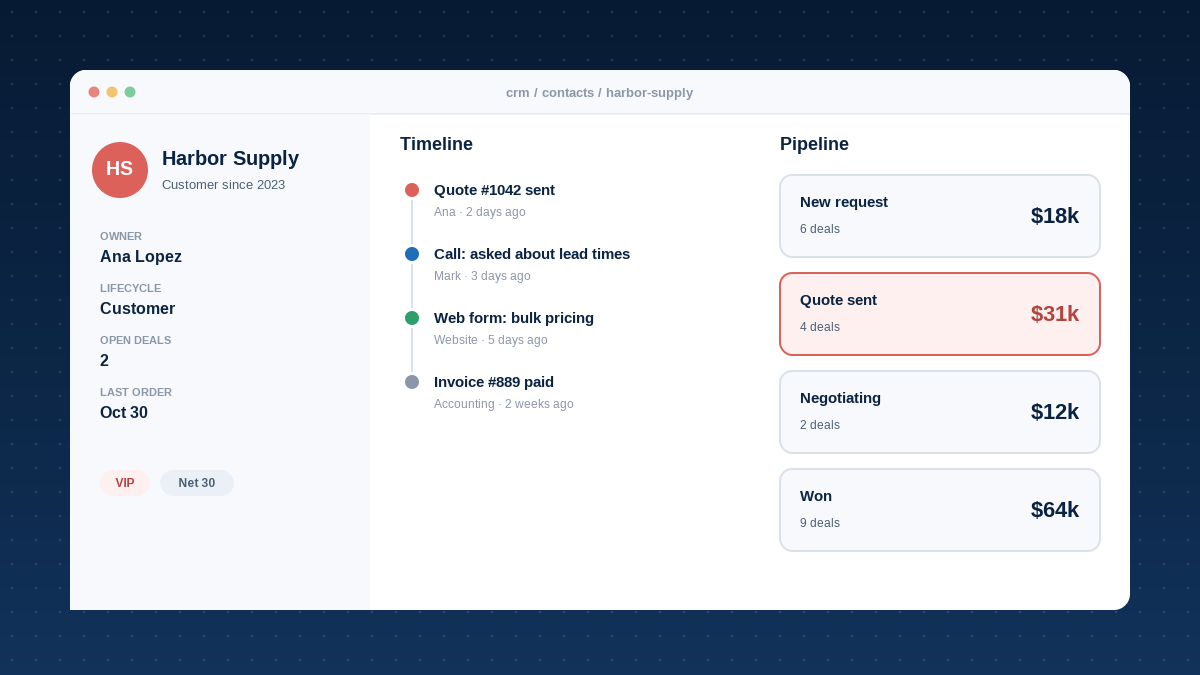
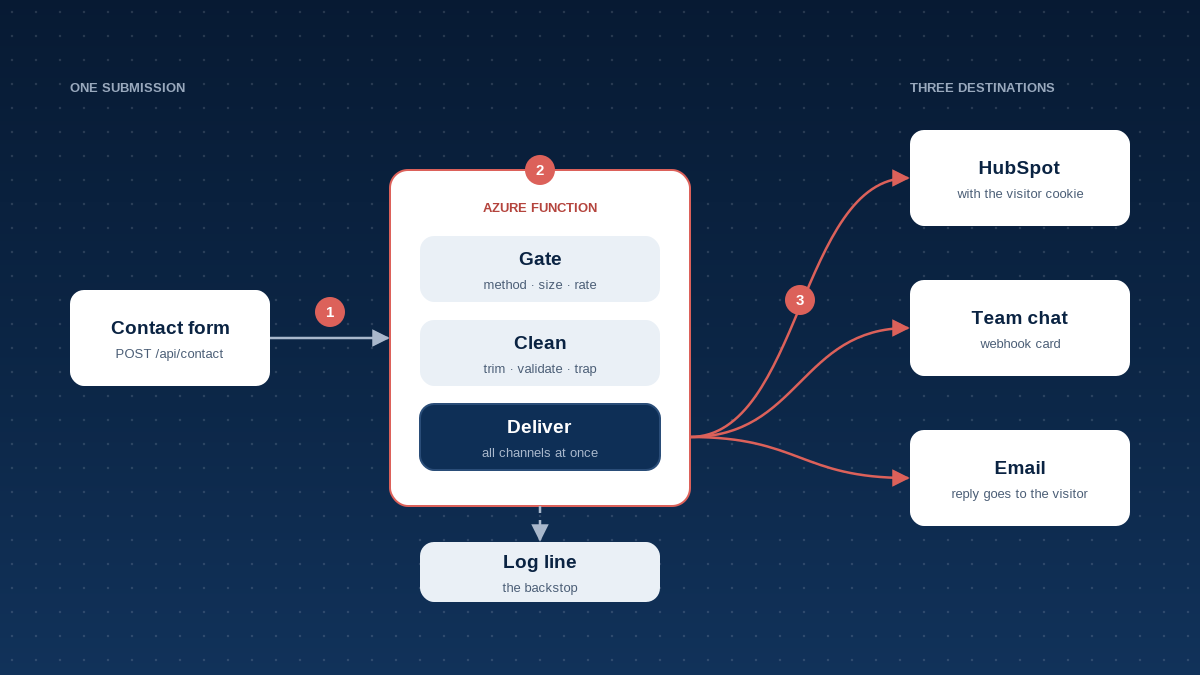
Process notes from our blog
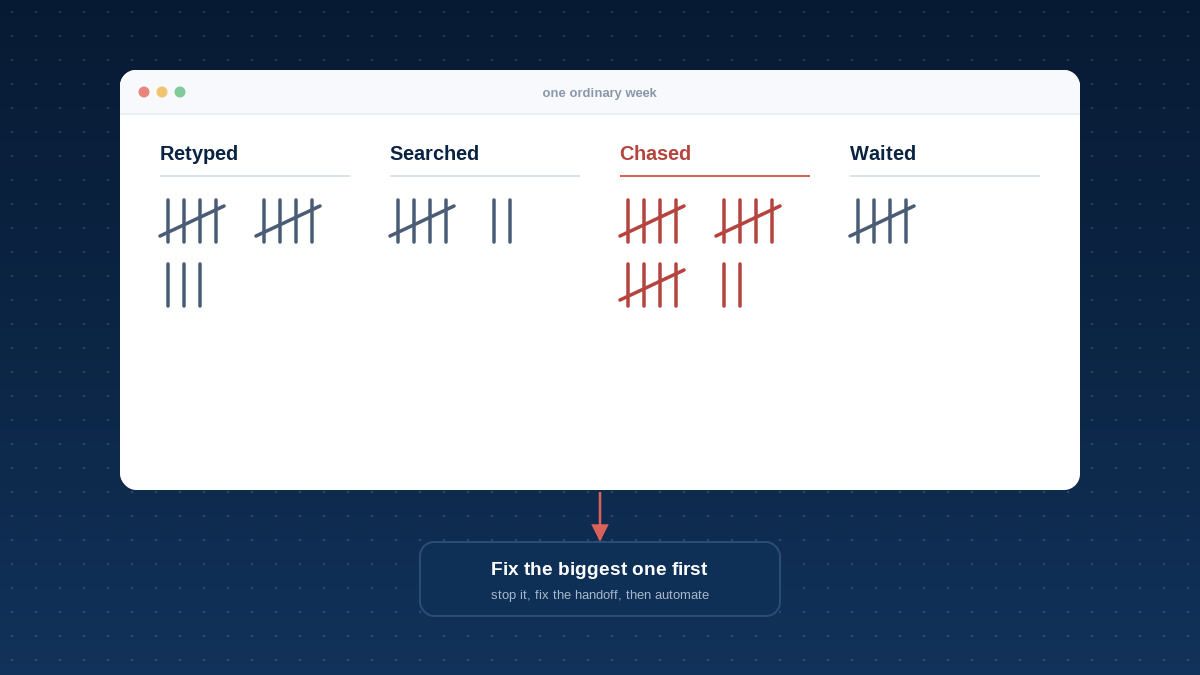
Before You Hire, Find the Hours Your Team Is Already Losing
When a team is stretched, hiring isn't the only fix. A one-week tally that shows where the hours go on retyping, searching, chasing and waiting, and what to do about the biggest one.
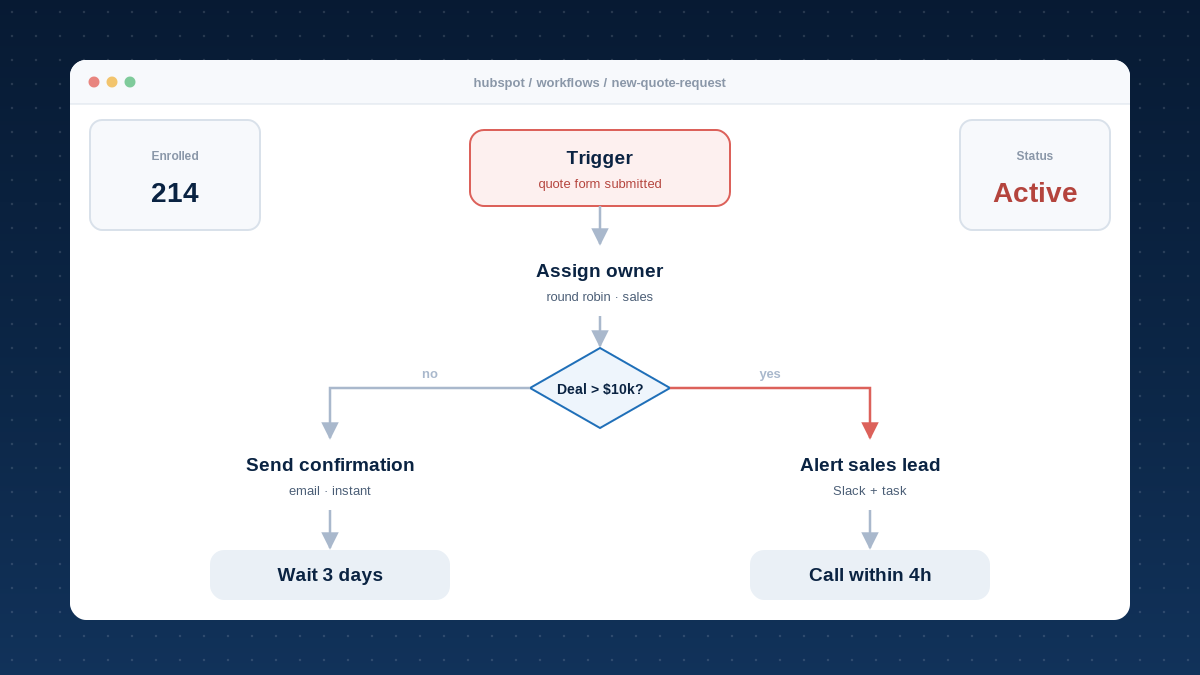
5 HubSpot Automations That Give Your Team Hours Back Every Week
The five HubSpot workflows we'd set up first: lead routing, reminders, quote follow-ups, handoffs and renewals.
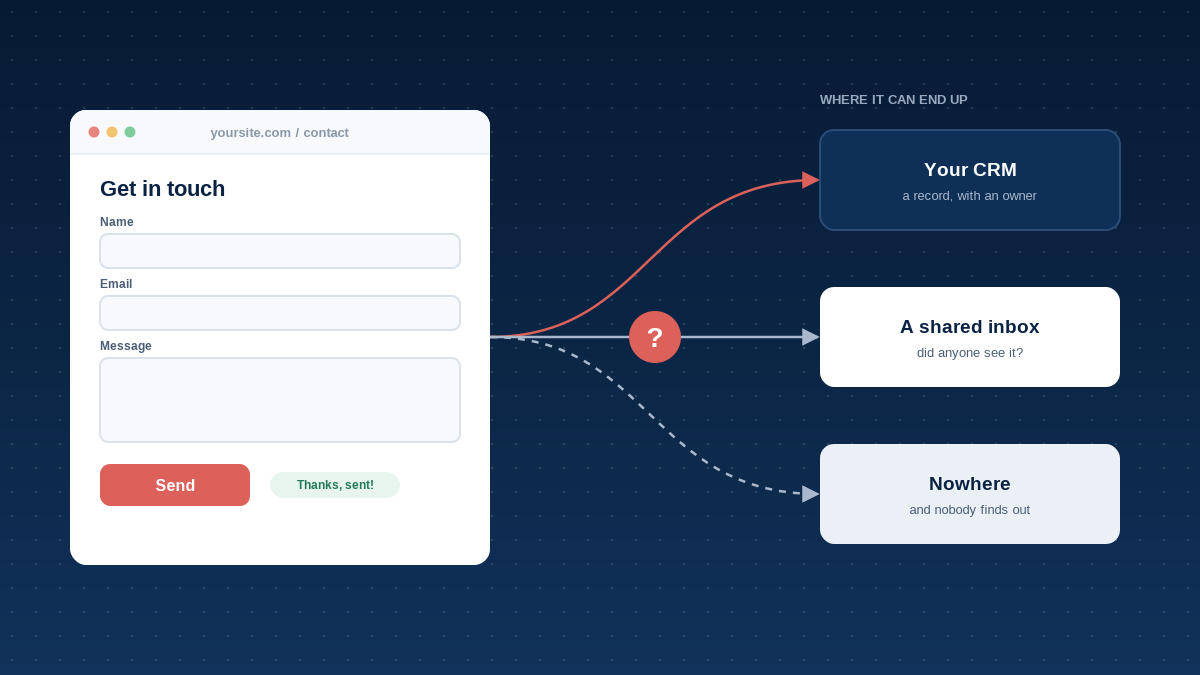
Where Does Your Website Form Actually Go?
Most contact forms send inquiries to one place and fail silently. What we did on our own site, and a ten-minute test for yours.
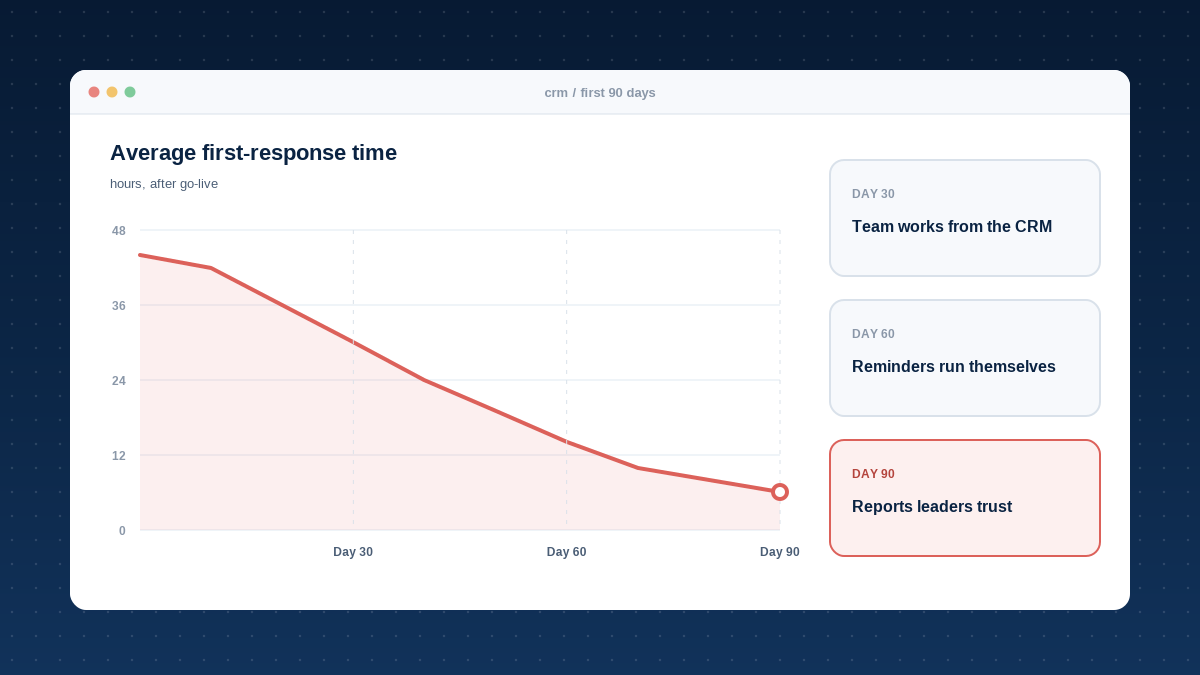
Your First 90 Days With a CRM: What to Expect
A month-by-month guide to the first 90 days with a CRM: habits, automation, then reports you can trust.
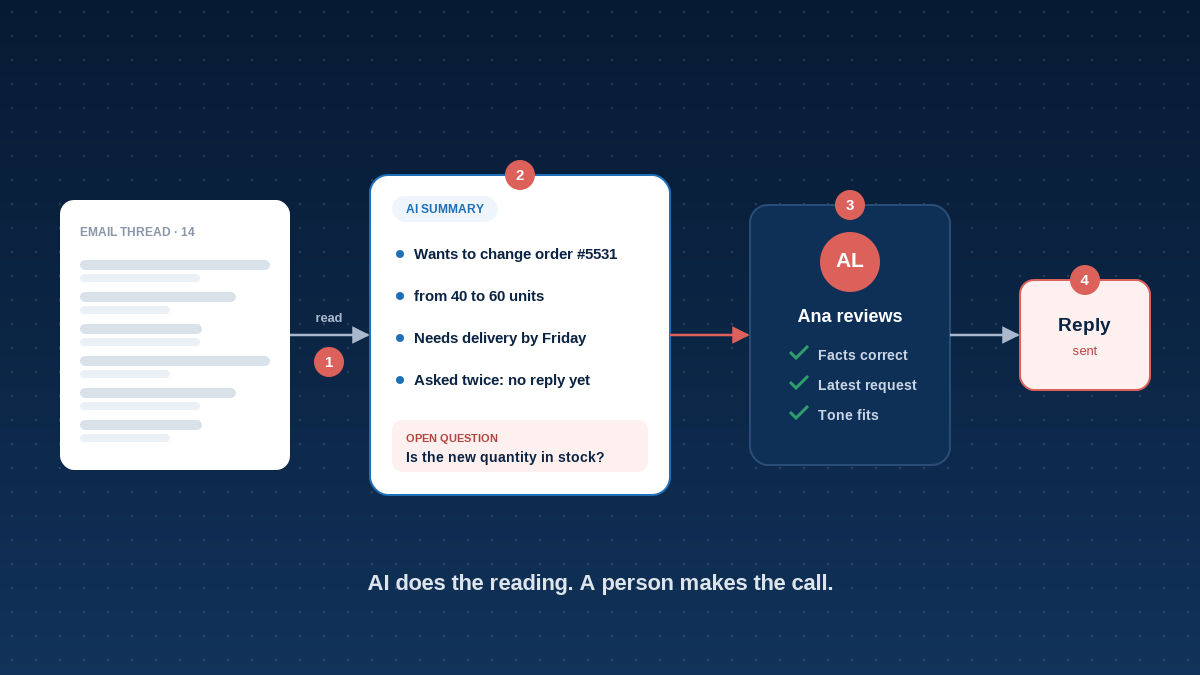
How to Put AI to Work in Your Business, One Task at a Time
A practical way for business owners to test AI on one measurable task, with a person still in charge of the result.
Common questions
Will this mean buying new software?
Not necessarily. We look first at what you have, and suggest something new only when the gap is real. If the right fix is a rule or a named owner rather than a tool, we'll say that instead.
How much of our team's time will you need?
Some, and it matters. We need time with the people who do the work, not only their managers. Without them we'd be mapping the process you think you have.
What if the problem is people, not process?
Sometimes it is, and we'll tell you. A process map makes that conversation easier, because it shows where work waits instead of who to blame.
Do you automate everything you can?
No. Some steps deserve a person's judgment, and some happen too rarely to be worth a workflow. We'll say which ones we'd leave alone, and why.
Tell us what isn't working
A short message is enough. We reply within one business day with a few questions and a time to talk. No sales script.
- 30-minute call, no cost
- A senior architect, not a sales rep
- A clear next step, even if it isn't us